
*This post may contain affiliate links for which I earn commissions.*
Most of us move through our days surrounded by symbols without ever giving them much attention. A repeated pattern on a scarf, a bird landing nearby, or a colour that keeps following us from one space to another – these subtle encounters often pass us by unnoticed, holding more significance than we realise. Sometimes the most ordinary motifs are the ones that gently draw us toward something meaningful within ourselves.
Symbolic awareness invites us to slow our gaze and relax into a more curious way of observing the world. Instead of seeing symbols as predictions or fixed messages, we can experience them as subtle reflections of our inner landscape. In this way, the language of symbols becomes less about reading signs from the outside and more about noticing what is unfolding on the inside.
In this article I explore how simple, everyday motifs can support our own reflections, guide our intentions, and bring more presence into our lives. By approaching symbolism with creativity and grounded awareness, we can all open a doorway to a more intuitive, quietly attuned way of living.
Symbols as Subtle Mirrors of the Inner World
Across cultures and history, symbols have always been woven into spiritual practice, from mandalas in Eastern traditions to the intricate geometry found in European sacred spaces. But symbolic expression isn’t limited to ritual artefacts or ancient traditions, it appears in the way we dream, imagine, and respond to the world around us. Often, we connect with shapes or colours instinctively, long before we can articulate why they resonate with us.
When a symbol keeps catching your eye, it may be reflecting something you’re feeling or longing for. A few examples:
- A circle appearing repeatedly, whether in doodles, jewellery, or décor, might echo a desire for wholeness or continuity.
- Seeing birds repeatedly could reflect a wish for perspective, movement, or calmer change.
- Feeling suddenly drawn to a particular colour may indicate an emotional need shifting beneath the surface.
The aim isn’t to assign definite meanings, instead, treat these motifs as gentle invitations. Ask yourself: What does this symbol stir in me today? A small reflective journal can help – anything from a blank notebook to a guided symbolism journal if you prefer structure. Over time, you may notice recurring themes or emotional threads emerging.
Everyday Motifs as Anchors for Mindful Presence

symbolic reminders can appear anywhere, a chance encounter, a natural pattern, or an object you’ve owned for years.
Symbols can also act as anchors, helping us return to the present moment in simple, unforced ways. While some people choose symbolic décor or wear meaningful jewellery, symbolic reminders can appear anywhere, a chance encounter, a natural pattern, or an object you’ve owned for years.
Here are a few ways everyday motifs might work as mindful touchpoints:
- A spiral on a shell, page, or sketch may serve as a reminder to breathe and reduce tension.
- The moon, appearing on a calendar or pendant, may gently nudge you to honour rest and natural cycles.
- Plants with distinct shapes (ferns unfurling, ivy tracing gentle arcs) can symbolise steady growth and patience.
The most helpful symbolic anchors tend to be the ones we feel drawn to rather than chosen through analysis. If a motif feels calming, inspiring, or gently energising, it is likely offering the kind of support you need. Incorporating a symbolic print or minimalist artwork into your space can reinforce that connection; many people find that a single, well-chosen image on a desk or shelf can subtly influence the mood of their day.
Symbolism as a Creative Tool for Manifestation
Manifestation, when approached with clarity and grounded intention, becomes a way of aligning with what truly matters to us. Symbols can play a helpful role by giving visual shape to our intentions, their presence acting as a subtle reminder of the outcome we’re cultivating, without the pressure of constant focus.
Here are a few simple ways to bring symbolism into your manifestation practice:
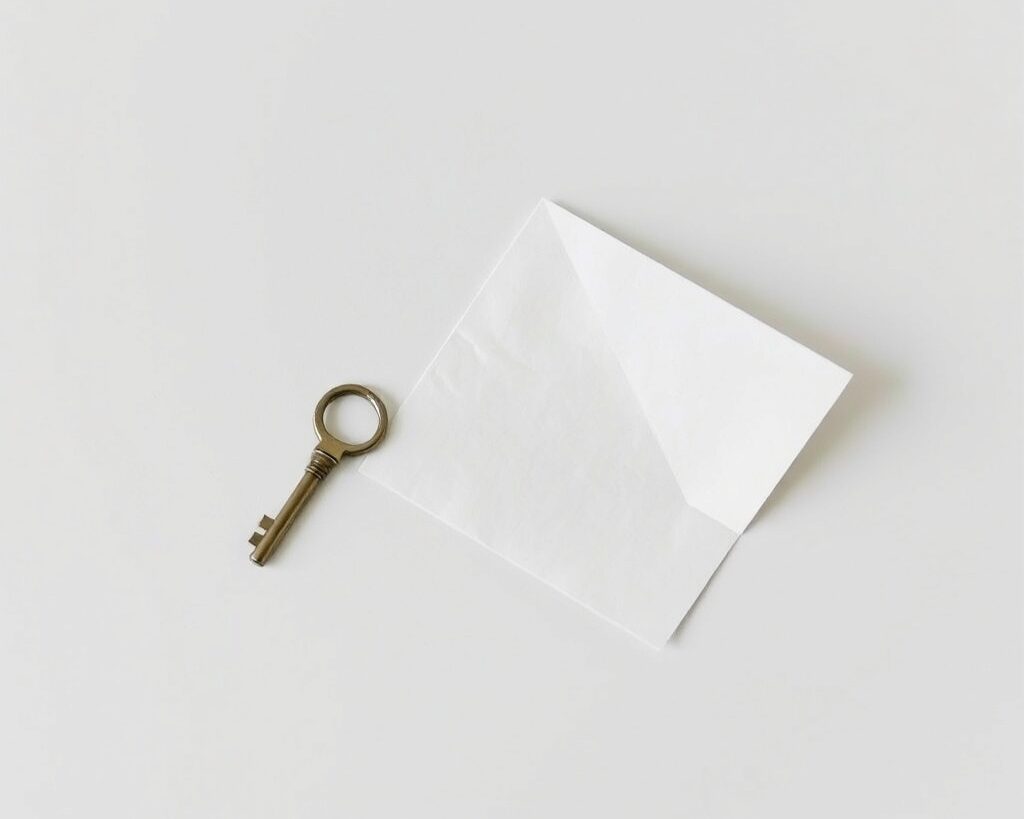
- Select a symbolic image – a key for possibility, a seedling for new beginnings etc – to accompany an intention.
- Create a small visual ritual – place the symbol somewhere you’ll naturally see it each day.
- Use colour consciously – Let specific hues represent qualities you wish to embody, gold for clarity perhaps, green for renewal, or deep blue for calm focus.
Manifestation cards (pre-printed or printable), symbol-focused artwork, or AI-generated sigils can support this process. If you enjoy digital creativity, experimenting with AI prompts can help you express your intentions through personalised symbolic imagery.
How to Interpret Symbols Without Overthinking
A common concern when working with symbols is the fear of interpreting them “incorrectly”, but symbolic meaning is rarely fixed, their meaning often shifting depending on context, mood, and timing.
Here are a few grounded ways to approach interpretation:
• Stay curious rather than conclusive
A symbol can hold multiple meanings – a feather might represent freedom one day and tenderness the next. Allow space for variation.
• Notice patterns over time
While a single appearance might feel insignificant, recurring motifs often point to a theme that’s emerging quietly.
• Let your emotional response guide you
Ask yourself how the symbol makes you feel – calm, energised, unsettled, hopeful? Your emotional reaction often reveals more than any rigid symbolic definition.
If you enjoy having reference materials, simple symbolism guides can be useful, as long as they serve as inspiration rather than strict instruction.
Practical Application: A Simple Symbol Observation Exercise
Take five calm, unhurried minutes.
- Look around your current environment and notice one symbol, shape, or motif that naturally draws your attention.
- Pause and take in how it feels, not what it means, but the emotional tone or impression it brings.
- Write a sentence or two in a journal or notes app about why this motif might be speaking to you today.
- If you feel inspired, sketch or photograph it as a reminder for the days ahead.
This small practice can reveal symbolic threads you may not have noticed in your daily environment before.
Conclusion
Symbols tend to speak in a quiet, intuitive language, one that bypasses analysis and invites intuitive awareness. When we begin noticing the motifs that appear in our surroundings, our creative work, or even our day-to-day routines, we step into a deeper, more attentive relationship with our inner world. Symbolism becomes a steady companion: grounding us, offering perspective, and subtly guiding us back to ourselves.
By opening ourselves to these everyday motifs, we create a space where clarity, insight and transformation can unfold naturally Spiritual awareness doesn’t always arrive with certainty or drama; often, it begins with simply noticing something small and letting it matter.